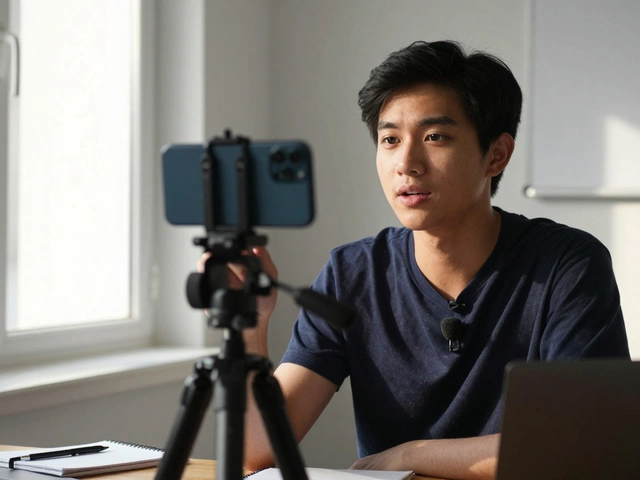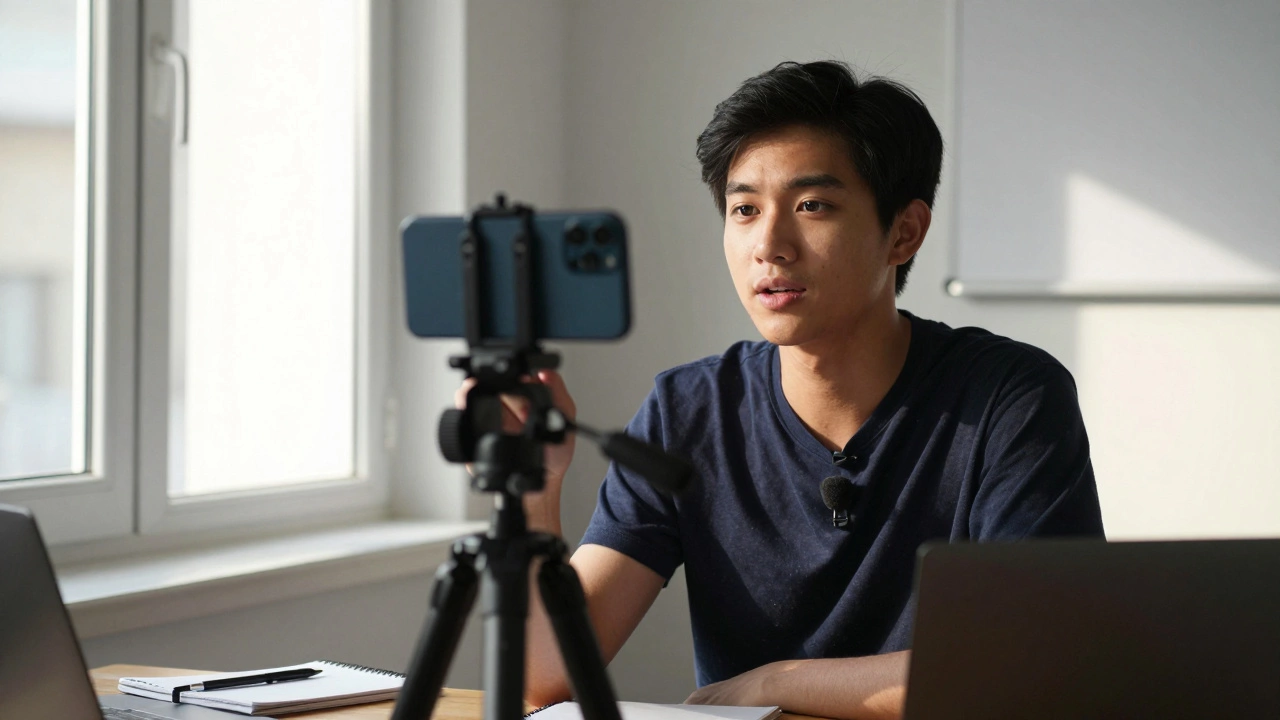
Most people think video production is about fancy cameras and expensive gear. That’s not true. What really matters is knowing what to film, when to film it, and how to make it mean something to the person watching. You don’t need a 4K camera to make a video that sticks. You just need to understand the basics-and then do them well. I’ve watched hundreds of videos made by beginners who thought they needed the latest gear. The ones that actually got views, shares, and comments? They used smartphones, natural light, and clear audio. That’s it.
Some folks look for shortcuts-like hiring an escort paris girl to add glamour to their project. But real connection doesn’t come from who’s in front of the camera. It comes from what you’re saying and how you’re saying it. If your message is weak, no amount of polish will fix it.
Start with a clear goal
Before you press record, ask yourself: Why am I making this? Is it to teach something? To sell a product? To tell a story? If you can’t answer that in one sentence, you’re not ready. Every great video starts with a single purpose. Think of it like a compass. Without it, you’ll wander. You’ll film too much. You’ll edit for hours and still feel lost.
Let’s say you’re making a video to show how to change a tire. Your goal isn’t to show off your car. Your goal is to help someone avoid being stranded. That changes everything. You’ll focus on clarity, not style. You’ll cut out the fluff. You’ll make sure every shot serves the purpose.
Lighting is your best friend
You don’t need studio lights. You don’t need softboxes. You just need to avoid shooting in dark rooms or under harsh overhead lights. Natural light is free, and it’s the most flattering. Film near a window during the day. Face the window. Don’t put the light behind you-that creates a silhouette. Put the light in front of you, slightly to the side. That’s it.
If you’re filming indoors at night, turn on every lamp you have. Use a white sheet or piece of paper to bounce light. A simple desk lamp with a white shade can look professional if placed right. The goal isn’t to make it look like a TV show. It’s to make your face easy to see and your message easy to understand.
Audio matters more than you think
People will forgive blurry video. They won’t forgive muffled audio. If your viewers can’t hear you, they’ll leave. Fast. Even a cheap lavalier mic plugged into your phone sounds better than the built-in mic. You can get one for under $30. Plug it in. Test it. Record a few seconds of you speaking. Play it back. If you hear breathing, wind, or background noise, you need to fix it.
Record in a quiet room. Close windows. Turn off the fan. Put a blanket over your shoulders if you’re talking into a mic. It helps deaden echo. And don’t rely on editing to fix bad audio. Noise reduction tools make voices sound robotic. Better to get it right the first time.
Keep your shots simple
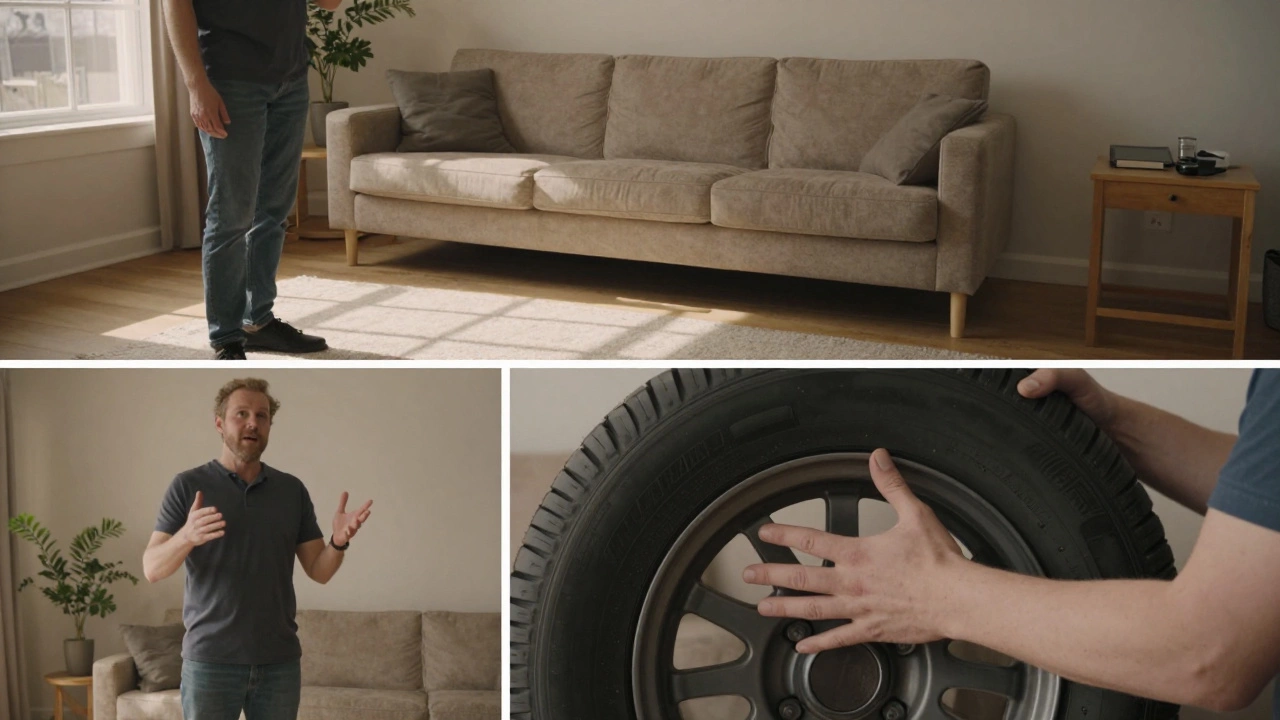
Don’t move the camera unless you have a reason. Shaky footage is distracting. Don’t zoom in and out while recording. That looks amateur. Use the rule of thirds: imagine your screen is divided into nine equal boxes. Place your subject’s eyes on one of the top intersections. That’s more pleasing to the eye than centering them.
Shoot in landscape mode. Always. Even if you’re filming on your phone. Vertical videos are for social media stories. If you want people to watch on YouTube, a TV, or a laptop, go horizontal. It gives you room to show more, and it looks professional.
Use two or three shot types: wide (to show where you are), medium (to show your body and expression), and close-up (to show emotion or detail). Switch between them only when you need to. Don’t jump from one to another every two seconds. That’s not editing. That’s chaos.
Edit like you’re telling a story
You don’t need Adobe Premiere. You don’t need Final Cut. Use the free app on your phone or computer. iMovie, CapCut, DaVinci Resolve-they all work. Start by trimming the fat. Cut out every pause, every “um,” every time you looked away. Keep the pace tight. If a sentence takes longer than 5 seconds to say, shorten it.
Add music if it helps, but keep it quiet. It should support your voice, not compete with it. Use free royalty-free tracks from sites like YouTube Audio Library or Pixabay. Don’t use pop songs. You’ll get flagged, or worse-your video will disappear.
Text on screen? Only if it adds value. Don’t write out everything you say. Use it to highlight key phrases: “Three steps to fix this,” “Don’t forget this,” “Here’s why.” Keep it big. Keep it simple. Use high-contrast colors-white text on dark background, or black on light.
Upload with purpose
Don’t just hit upload and walk away. Title your video like a question someone would type into Google. “How to change a tire in 5 minutes” works better than “My Tire Change Video.” Write a short description. Include your main keyword. Add tags that match what people actually search for.
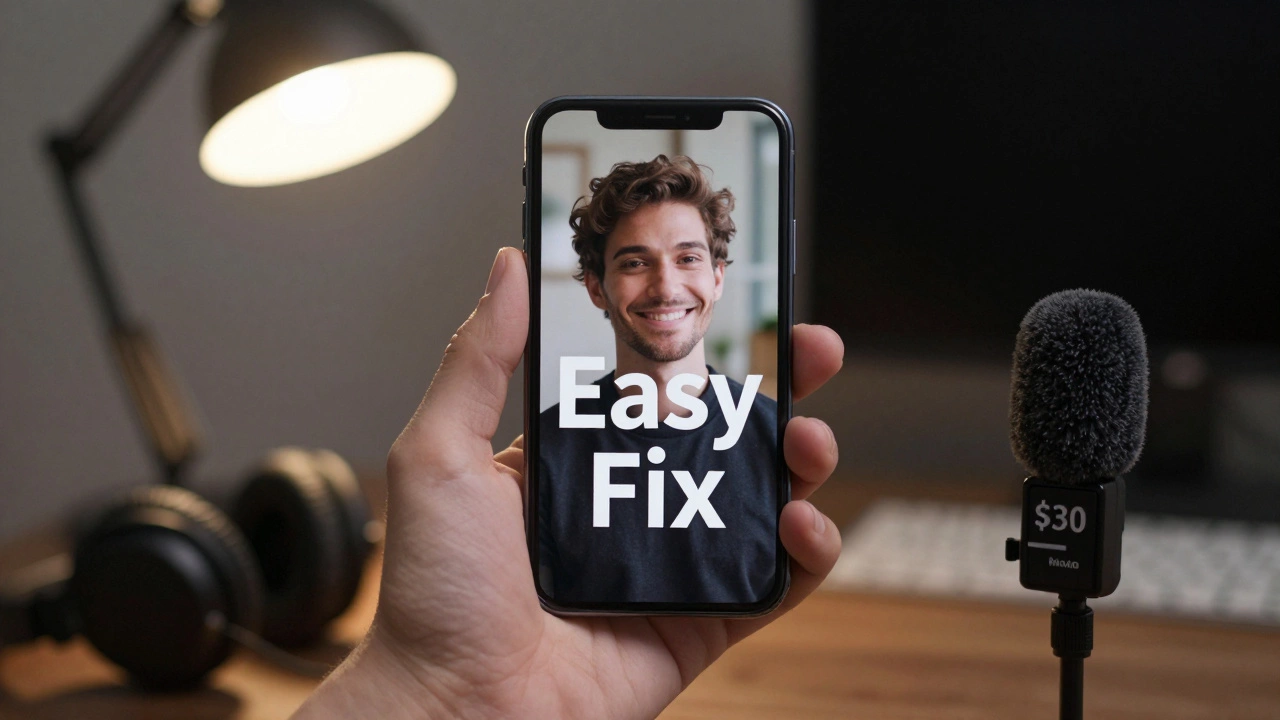
Thumbnail matters. Use a clear image of your face with an expression that matches the emotion of the video. Add bold text-three words max. “Easy Fix,” “Do This Now,” “Save $200.” People decide in under two seconds whether to click. Make sure your thumbnail says, “This is worth your time.”
And don’t forget to ask viewers to like, comment, or subscribe. Not in a begging way. Just say, “If this helped, drop a comment below. I read every one.” That builds connection. Algorithms notice that.
Stop chasing perfection
The biggest mistake beginners make? Waiting for the perfect moment. Waiting for better gear. Waiting for more experience. You don’t need to be perfect. You need to be consistent. The person who films once a week for six months will beat the person who waits for the perfect setup and never hits record.
I’ve seen people start with a $100 phone and a free app. Three months later, they’re getting 10,000 views per video. Why? Because they showed up. They kept learning. They improved a little each time.
Don’t compare your first video to someone else’s tenth. Start where you are. Use what you have. Make something real. The rest will follow.
And if you’re ever tempted to hire someone just to look good on camera-like an escott paris-remember: authenticity beats aesthetics every time. People don’t follow polished faces. They follow real voices.
Same goes for escortes paris 12. It might look like a shortcut, but it doesn’t fix a weak message. Your content is your brand. Don’t outsource the heart of it.