Dubai doesn’t have a legal escort industry in the way many people imagine. While you might hear about private companionship services online, the reality is that any form of paid sexual contact is strictly illegal under UAE law. The government enforces these rules with serious penalties - including deportation, fines, and jail time - to protect both visitors and residents from exploitation and unsafe conditions. This isn’t about morality; it’s about public health and human rights. The same laws that ban prostitution also require all businesses offering personal services to register, undergo health checks, and operate transparently.
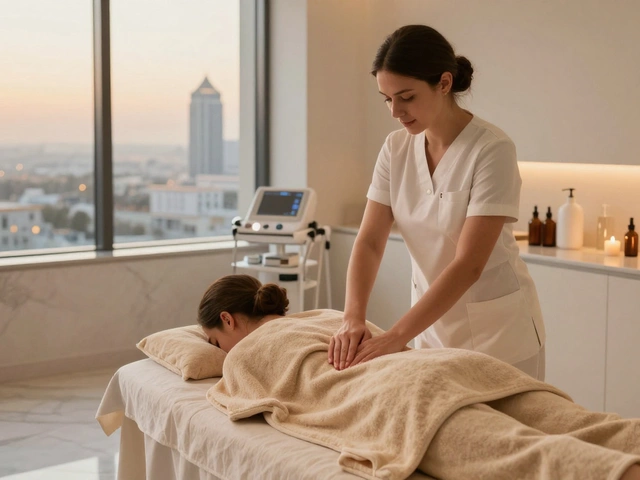
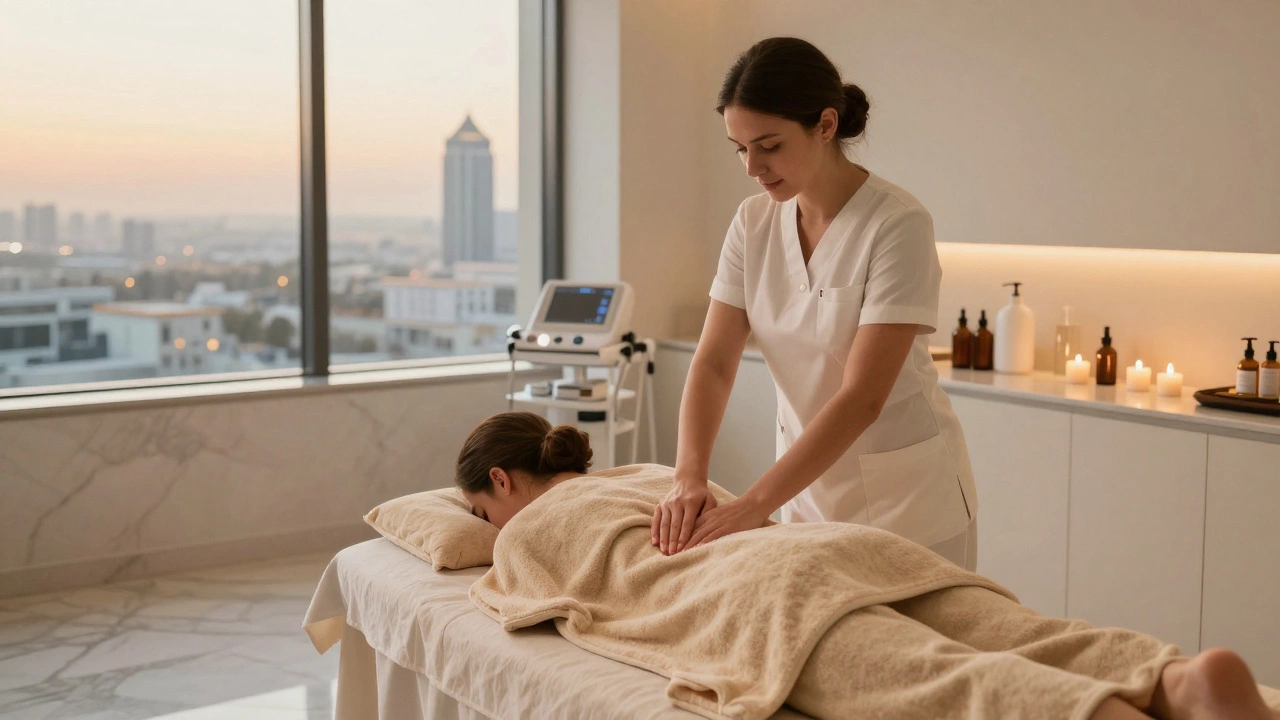
If you’re looking for companionship or relaxation, there are licensed alternatives that focus on wellness, not intimacy. For example, some high-end spas offer therapeutic massage services that are fully compliant with local regulations. One such place is massage republic dubai, which provides certified therapists, clean facilities, and clear service boundaries. These venues are inspected regularly and staffed by professionals trained in anatomy, pressure techniques, and client safety. They don’t offer anything that crosses legal lines - and that’s exactly why they’re still open.
What’s Allowed and What’s Not
The UAE has one of the strictest legal frameworks in the world when it comes to sexual services. Even suggesting a "happy ending massage" in a private setting can lead to arrest. Police actively monitor online ads, social media groups, and hotel bookings for signs of illegal activity. What many tourists don’t realize is that even if a service claims to be "discreet" or "private," it’s still against the law. There are no gray areas here. If money changes hands for physical intimacy, it’s a criminal offense.
That said, non-sexual companionship is not illegal. You can hire someone to accompany you to events, show you around the city, or simply chat over coffee. These services are often advertised as "tourist guides" or "social companions," and they must operate without any sexual expectations. Many locals and expats use these services to avoid loneliness or to have a friendly presence during business trips. The key difference? No physical contact beyond a handshake, and no promises of sexual favors.
The Rise of Licensed Wellness Services
As enforcement tightened over the last decade, the market shifted. Instead of underground operators, you now see legitimate wellness centers popping up across Dubai. These places focus on stress relief, muscle recovery, and mental relaxation - not romance or sex. Many employ therapists with international certifications in Swedish, deep tissue, or Ayurvedic massage. They use medical-grade oils, sanitize equipment between clients, and keep detailed records of appointments. Some even offer post-massage hydration and light meals.
One popular option among expats is russian massage dubai. This technique combines deep pressure with rhythmic strokes to release chronic tension. It’s not about seduction - it’s about physical rehabilitation. People who work long hours in air-conditioned offices, sit for flights, or train for marathons swear by it. The therapists are trained to recognize signs of injury or illness and will refer clients to doctors if needed. That’s professionalism. That’s safety.
Why People Get It Wrong
Many visitors come to Dubai expecting a free-wheeling nightlife like Las Vegas or Bangkok. They see ads for "private escorts" on foreign websites and assume the rules are different here. They’re wrong. Dubai’s laws are clear, consistent, and enforced without exception. Even if you’re from a country where prostitution is legal, those norms don’t apply here. Tourists have been arrested for trying to negotiate services in hotel rooms, even when no money was exchanged. The police don’t care about your intentions - they care about the act.
Another common mistake is confusing massage with sex. Some people think that if a massage feels good, it’s okay to ask for more. That’s not how it works. A licensed therapist will stop immediately if you make an inappropriate request. They’re trained to handle discomfort professionally, and they’ll report you if necessary. Your safety - and theirs - depends on clear boundaries.
What to Do Instead
If you’re in Dubai and want to relax, here’s what actually works:
- Book a session at a five-star hotel spa - most have licensed massage therapists on staff
- Try a traditional hammam experience at a cultural center like Al Maha Spa
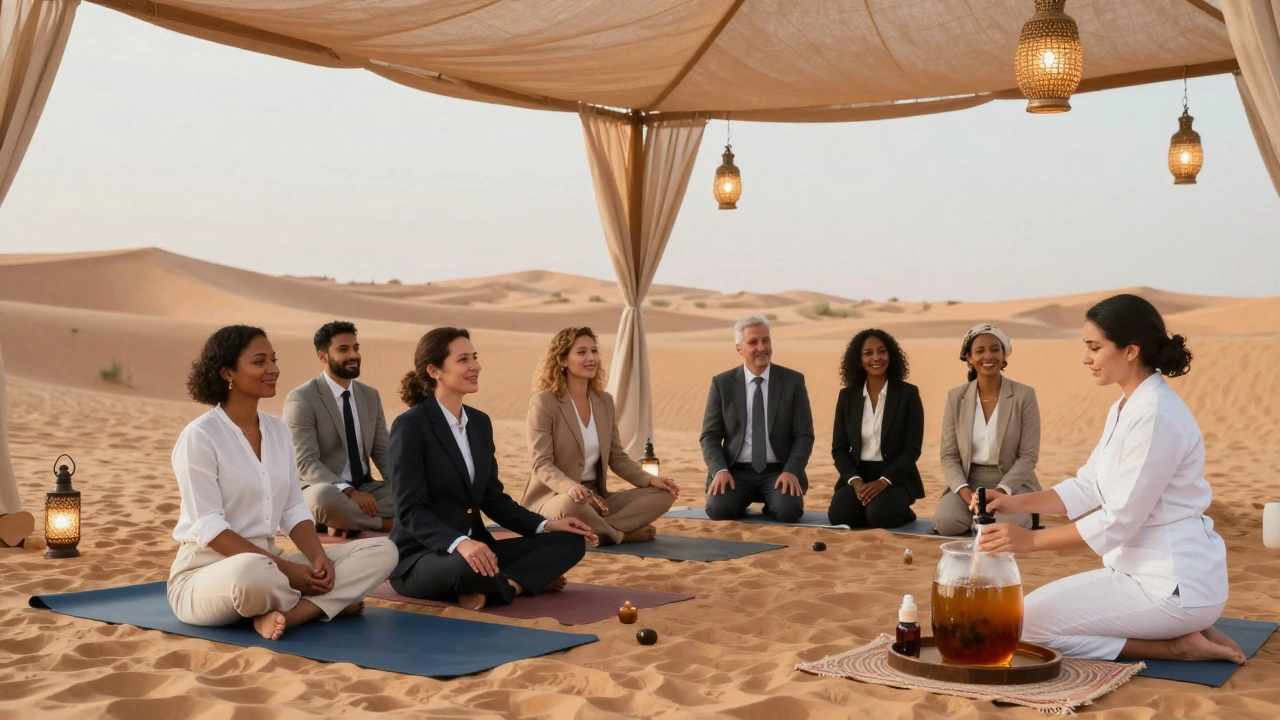
- Visit a wellness retreat in the desert, where meditation and yoga are combined with aromatherapy
- Use apps like SpaFinder or BookMySpa to find verified, regulated providers
These options are safe, legal, and often more rewarding than anything you’d find off the grid. You’ll leave feeling refreshed, not worried about legal trouble.
Red Flags to Watch For
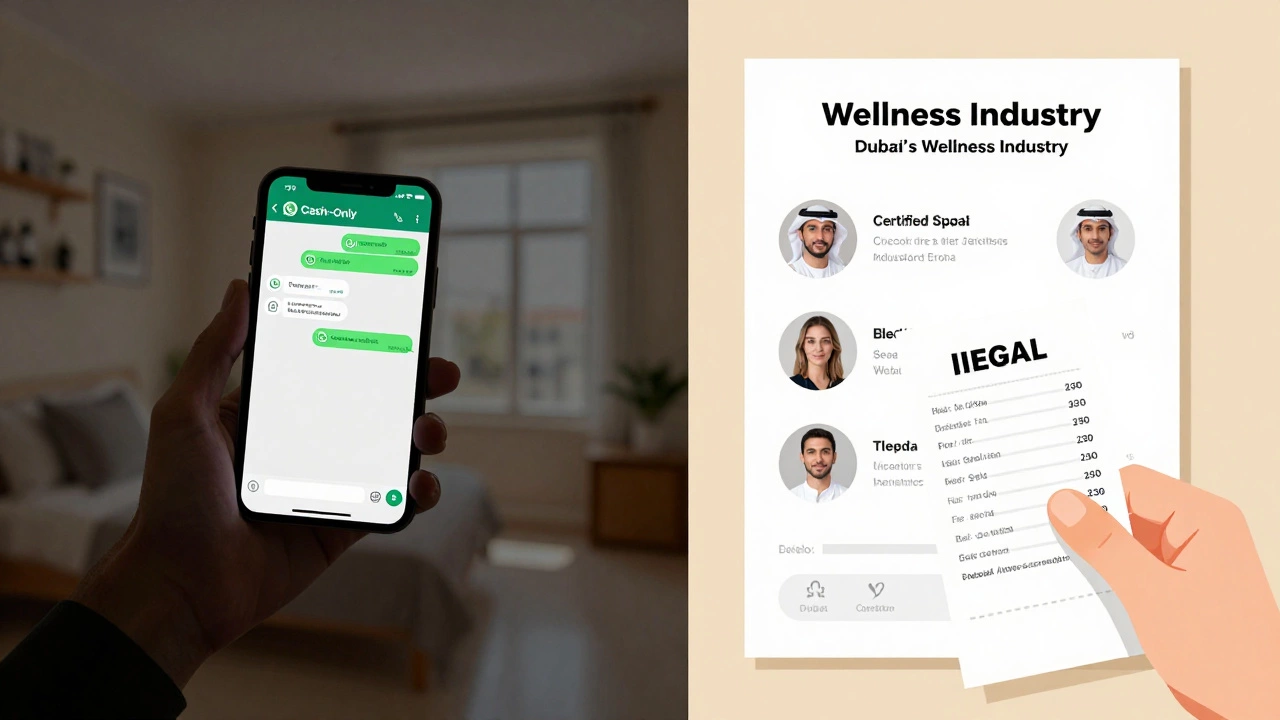
Here’s how to spot an illegal operation:
- The service is offered through WhatsApp or Telegram - never through a registered website
- There’s no physical address or phone number listed
- The provider asks for cash only and refuses to provide a receipt
- They mention "extra services" or "happy endings" in messages
- The location is a private apartment in a residential building, not a commercial spa
If you see any of these signs, walk away. Reporting them to Dubai Police’s Crime Prevention Department can help shut down dangerous operations. You’re not just protecting yourself - you’re helping protect others.
Real Stories, Real Consequences
In 2023, a British tourist was deported after offering money for a massage that included sexual contact. He thought it was harmless - he’d done it before in other countries. He spent three days in detention, lost his visa, and was banned from re-entering the UAE for five years. His company had to pay for his return flight. He lost his job.
On the other side, a Canadian woman came to Dubai for a conference and booked a session at a licensed spa. She had chronic back pain from sitting at her desk all day. The therapist, a certified physiotherapist from Ukraine, used happy ending massage techniques - not as a euphemism, but as a term describing deep relaxation. The session lasted 90 minutes. She left pain-free, with a receipt, and a referral for follow-up care. That’s the difference.
There’s a world of difference between what’s advertised and what’s real. And in Dubai, the real thing is always legal, regulated, and safe.
How to Find Legit Services
Start with trusted platforms:
- Visit the Dubai Tourism website for approved spa listings
- Check Google Maps reviews - look for places with 4.5+ stars and recent photos
- Ask your hotel concierge - they know which spas are vetted
- Look for therapists with certifications from the UAE Ministry of Health
One highly rated option is massage republic dubai, which has been operating since 2019 with zero violations. Their website lists therapist profiles, pricing, and service descriptions. No hidden fees. No vague language. Just clear, professional care.
If you’re looking for something specific, like a deep-tissue routine or a session focused on athletic recovery, call ahead. Most places let you request a therapist with a certain specialty. You can even ask for someone who speaks your language.
Final Thoughts
Dubai isn’t trying to be sexy. It’s trying to be safe. The city invests heavily in public health, tourism standards, and law enforcement because it knows its reputation depends on it. If you respect the rules, you’ll have an incredible experience. If you try to bend them, you’ll pay a heavy price.
There’s no need to risk your freedom, your visa, or your future for a moment of false comfort. The best companionship in Dubai comes from peace of mind - knowing you’re doing things the right way. And if you want to feel relaxed, restored, and truly cared for? There are plenty of legal, professional, and deeply satisfying options waiting for you.
One more thing: if you’re reading this because you’re unsure where to start, don’t guess. Call a licensed spa. Ask questions. Get details. You’ll be glad you did.